
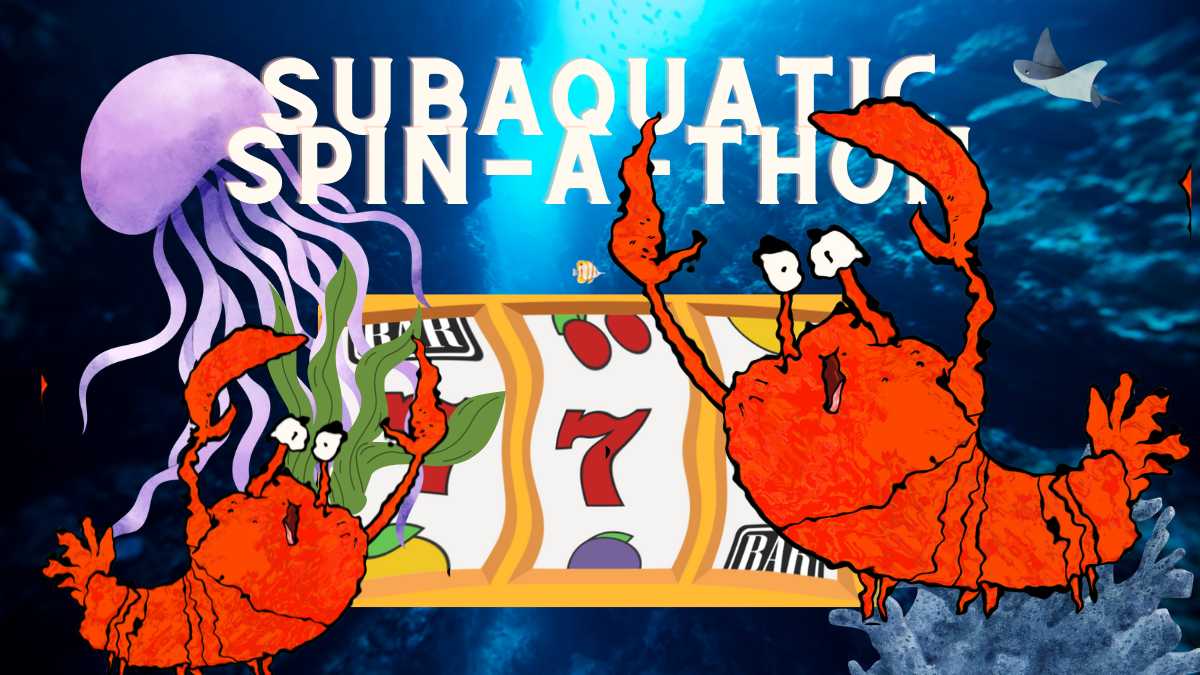
Delve into the Depths of Unconventional Gambling
Are you ready for a gambling experience like no other? Get ready to dive into the depths of the ocean as Runaway Lobster presents its groundbreaking underwater slots event – the Subaquatic Spin-a-Thon! Join us as we explore the thrilling and unconventional world of underwater gambling.
Submerge into a Unique Gaming Experience
An Aquatic Adventure Awaits
Imagine swimming amidst vibrant coral reefs, surrounded by exotic marine life, while trying your luck at the slot machines. That’s exactly what Runaway Lobster’s Subaquatic Spin-a-Thon offers. Leave behind the traditional casino setting and embark on an unforgettable aquatic adventure.
Unveiling the Underwater Slot Machines
Runaway Lobster has spared no expense in creating custom-designed slot machines specifically engineered for underwater use. These state-of-the-art machines are equipped with advanced waterproof technology, ensuring that the excitement never stops, even beneath the waves.
Meet the Sea-Themed Slot Games
Dive deep into an ocean of entertainment with an array of sea-themed slot games. From mermaid treasures to hidden Atlantis fortunes, each game is meticulously crafted to immerse you in an enchanting underwater world. Spin the reels and let the marine-themed symbols bring you luck as you chase big wins beneath the surface.
Plunge into Uncharted Depths
The Venue: An Underwater Wonderland
The Subaquatic Spin-a-Thon takes place in a breathtaking underwater venue specially designed to accommodate adventurous gamblers. Picture yourself surrounded by a panoramic view of the ocean floor, with schools of colorful fish darting by as you try your luck at the slots. This unique setting sets the stage for an extraordinary gambling experience.
Diving Into Practicalities
If you’re concerned about playing slots underwater, worry not! Runaway Lobster ensures the safety and comfort of all participants. Professional divers will be on hand to guide and assist you throughout the event, ensuring a smooth and enjoyable experience for everyone. So gear up, take a deep breath, and get ready to make a splash in the world of underwater gambling.
An Event That Makes a Splash
Making History with Runaway Lobster
Runaway Lobster’s Subaquatic Spin-a-Thon is making waves in the gambling world. It’s the first of its kind event, pushing the boundaries of what a casino experience can be. By combining the thrill of gambling with the beauty of the ocean, Runaway Lobster invites you to be a part of history and create unforgettable memories.
Dive In and Join the Fun!
If you’re seeking an unparalleled and adrenaline-pumping gambling adventure, don’t miss out on Runaway Lobster’s Subaquatic Spin-a-Thon. Grab your diving gear, embrace the unknown, and prepare to embark on a once-in-a-lifetime experience that combines the excitement of slots with the wonders of the underwater world.
So, are you ready to take the plunge and make a splash at the world’s first underwater slots event?
Remember to breathe, because Runaway Lobster is waiting to take you on an unforgettable journey beneath the waves!